
ama Coffee Experience / ama Academy
ama Caffè Academy
Knowledge is at the heart of every exceptional cup. Here, we develop professionals who understand the entire coffee journey, from farm to cup.
SCA
Certification program
AST
Authorized trainers
Lab
Real-world practice
ama Academy
Who are we?
ama Caffe Academy is a community of professionals, a laboratory of ideas, and a place where education meets real industry experience.
The academy was founded on the belief that a strong industry starts with quality education. Baristas, cafe owners, roasters, distributors, and coffee enthusiasts develop their skills through intensive practice and contemporary teaching methods.
Every course is an interactive experience, combining theory with hands-on work, sensory analysis, and simulations of real working situations.
- education becomes experience
- experience is shared
- ideas become real projects
- a passion for coffee becomes a profession
ama Academy
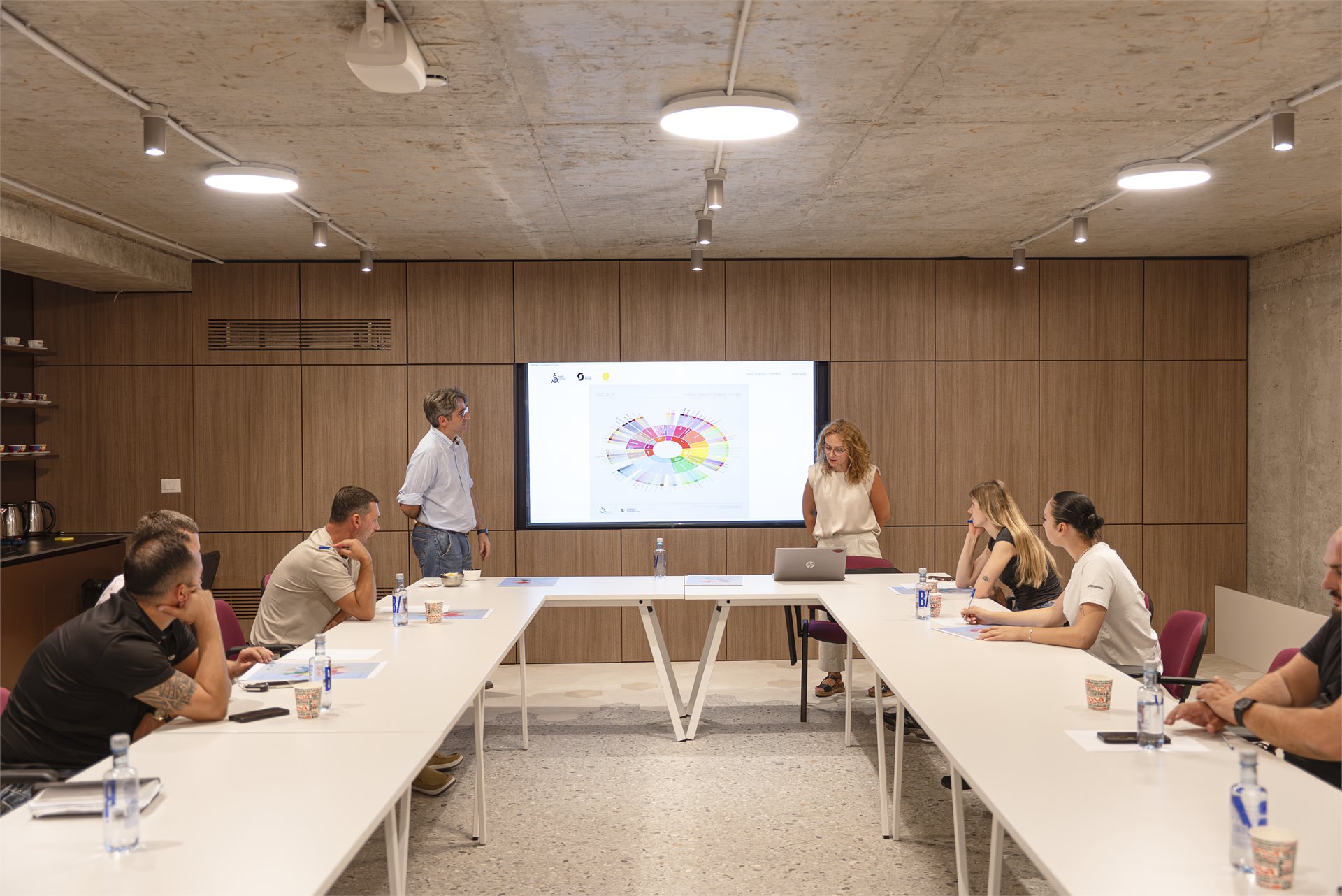
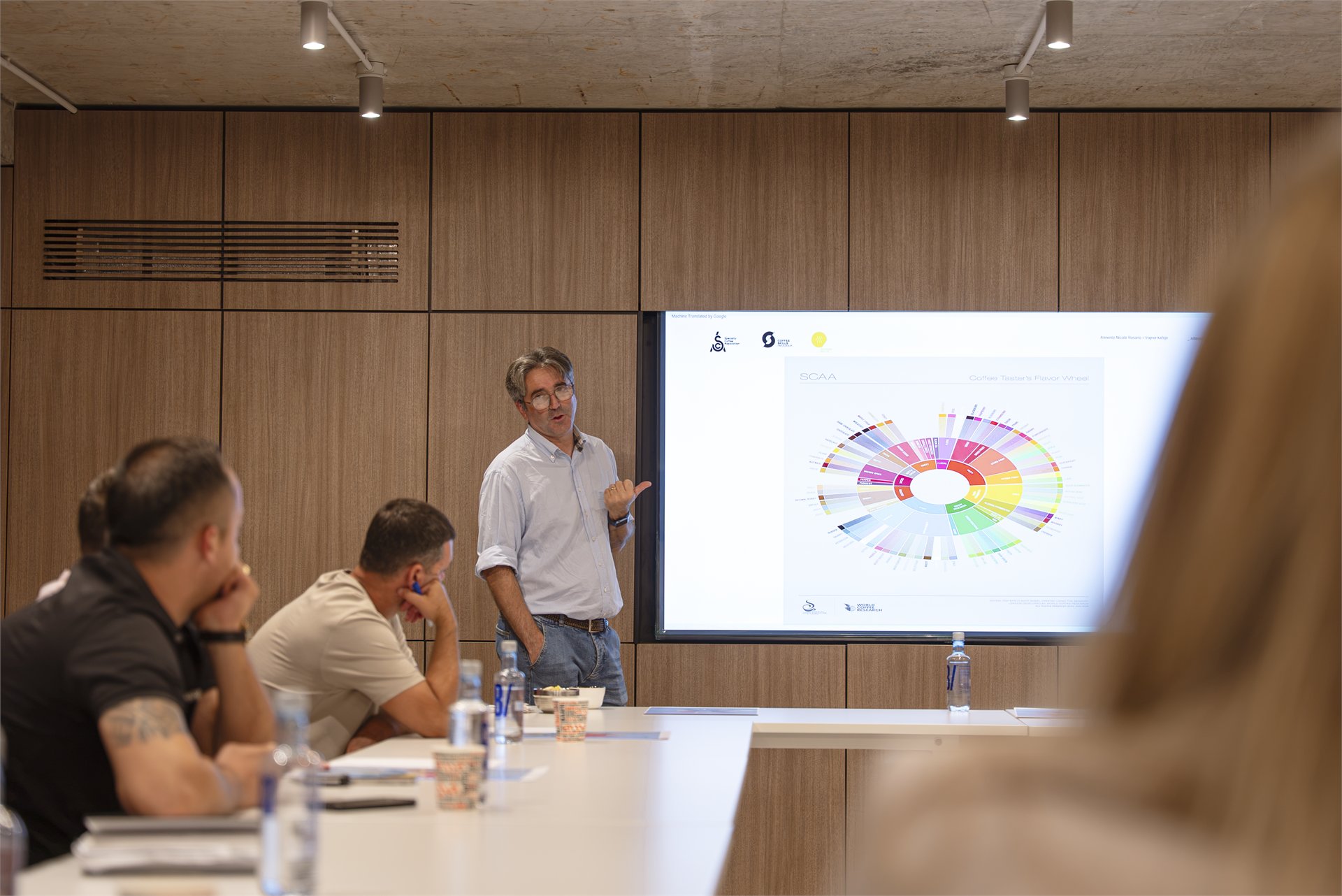
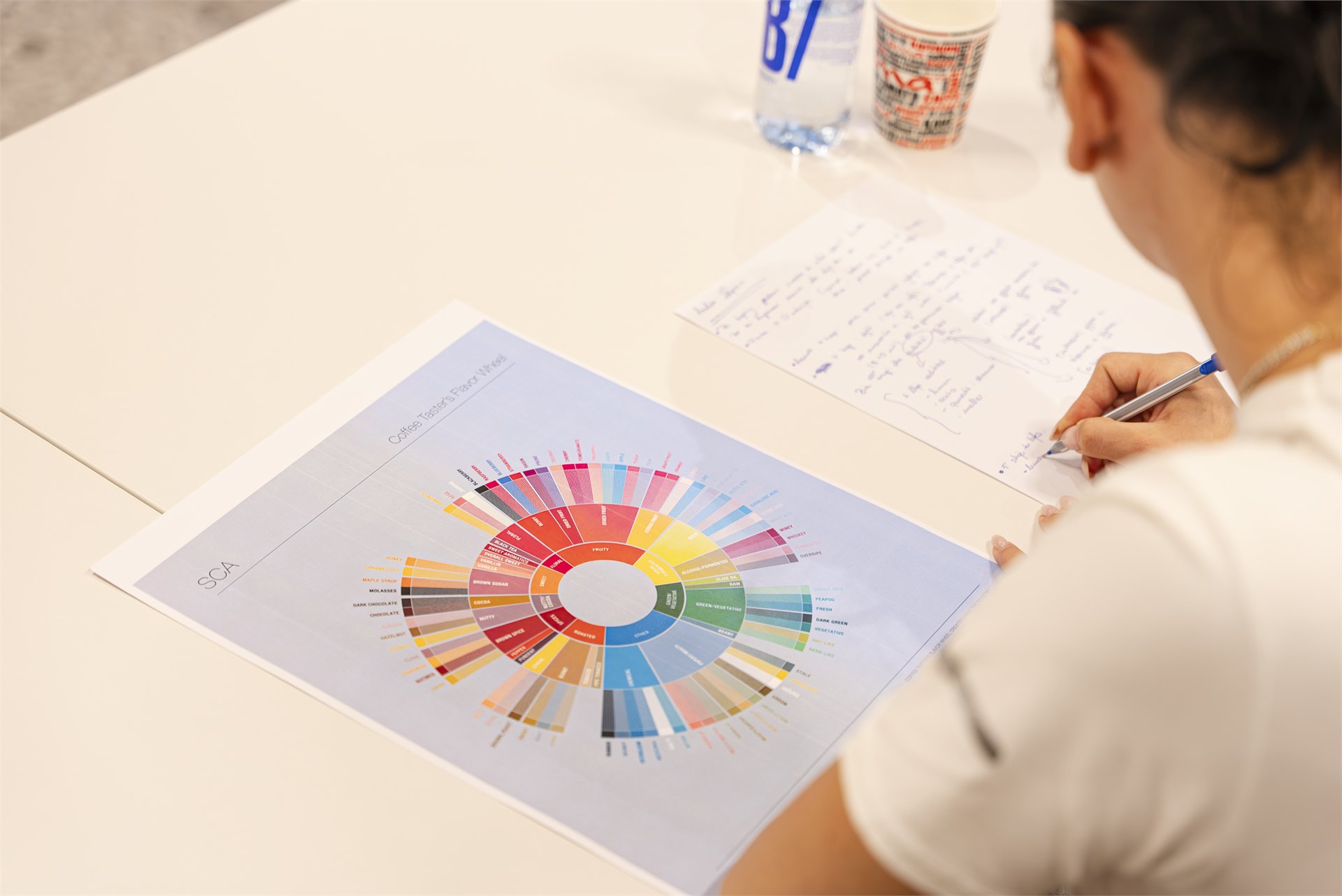
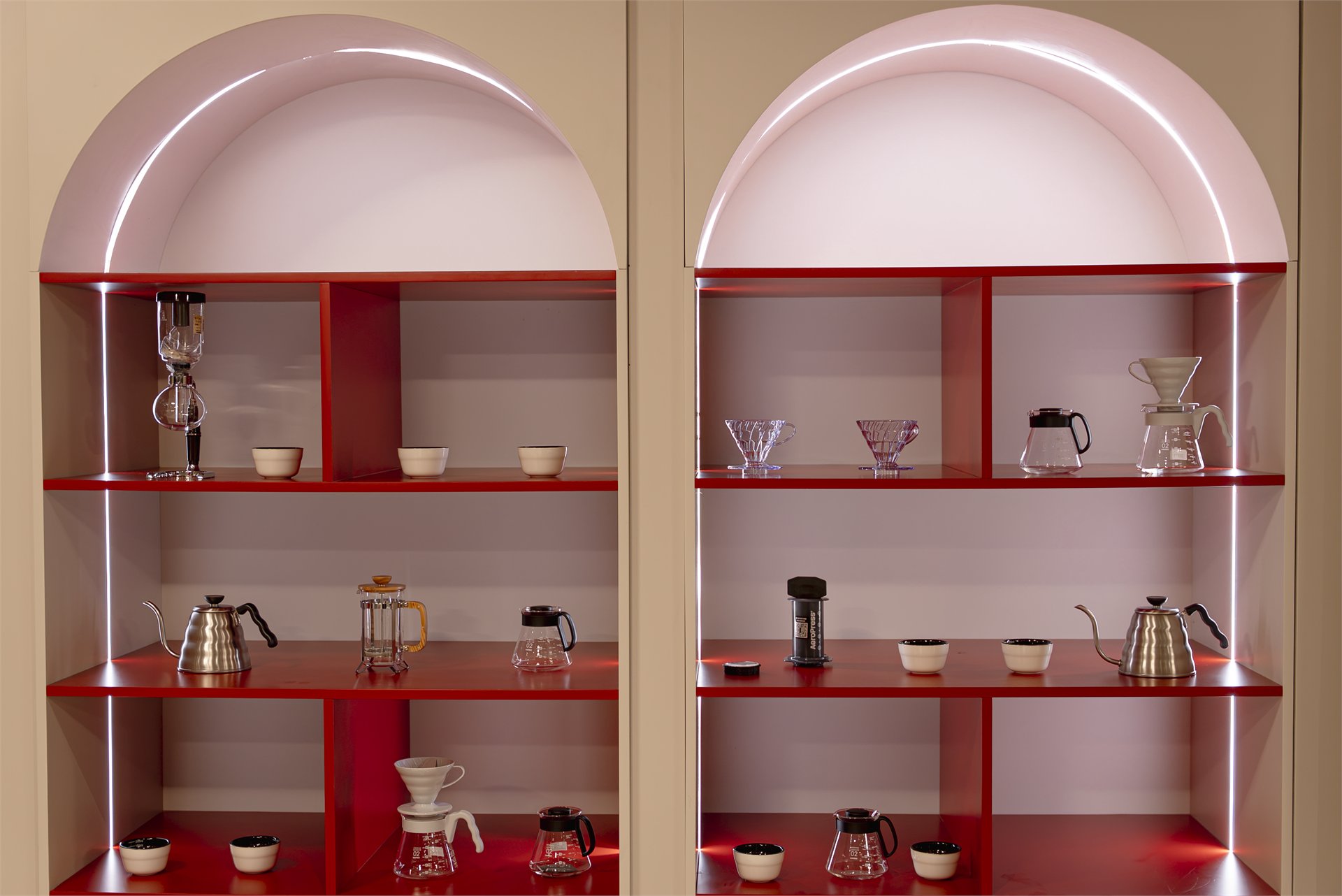
See the energy of our training.
A look inside the classroom, sensory exercises, and the atmosphere of the academy.
ama Academy
A space designed for learning
ama Caffe Academy is designed as a modern campus, with each space dedicated to professional development. Technical laboratories, tasting areas, and collaborative spaces provide the setting for learning and practice.

01
Coffee Training Lab
The practical laboratory is the heart of the academy. Professional espresso machines, modern grinders, and brewing equipment create real working conditions aligned with international standards.

02
Sensory & Cupping Lab
A laboratory dedicated to professional tasting, cupping, and identifying coffee aromas, flavors, and characteristics. Here, participants learn to understand and communicate quality.

03
Brewing Experience
A space to explore modern coffee preparation methods, extraction science, and the influence of each variable on the final cup.

04
Community Space Area
A space for masterclasses, product presentations, seminars, tastings, and meetings with industry professionals. Professional development continues through shared experience.
OUR TRAINERS
International experience in coffee education
Programs are delivered by Authorized SCA Trainers (AST) and professionals with careers in the international specialty coffee industry.
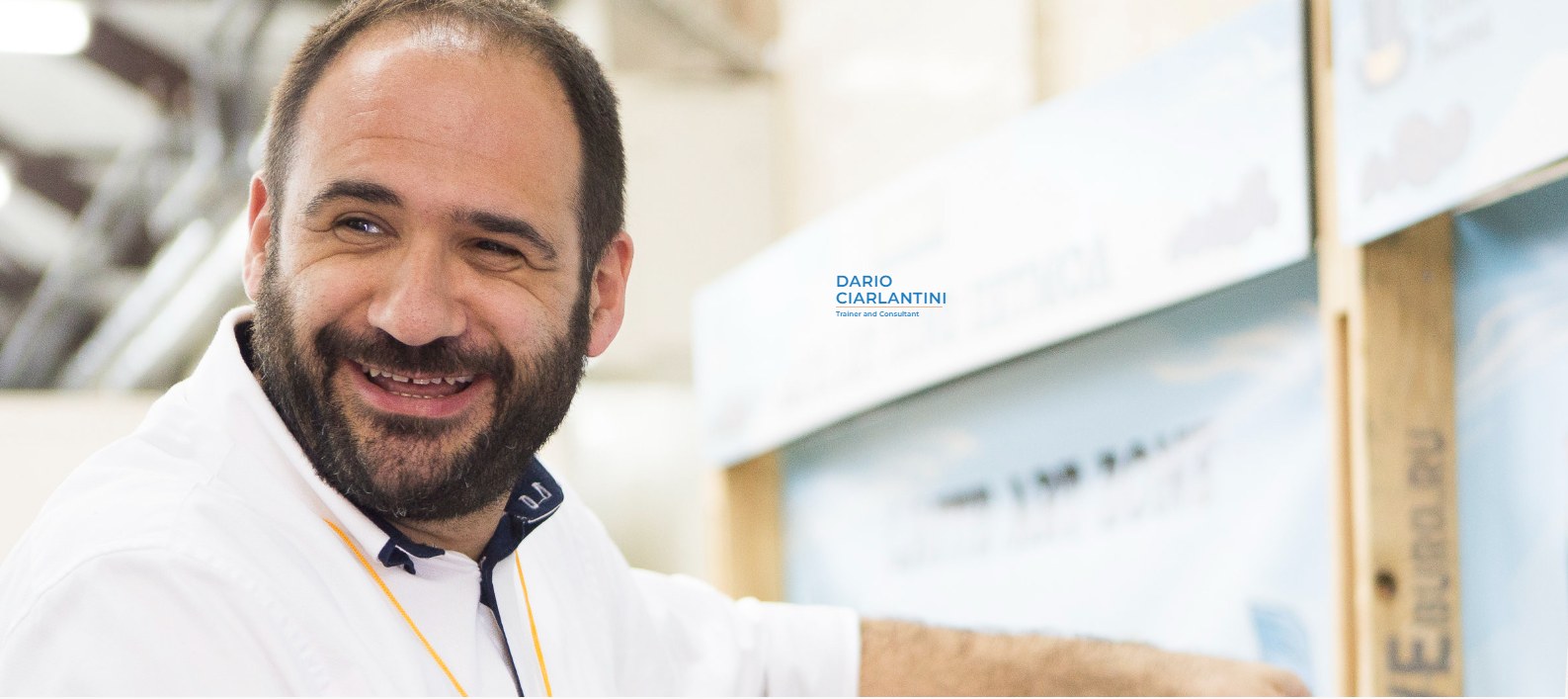
Dario Ciarlantini
Trainer & Consultant Ho.Re.Ca. | Coffee Expert
Dario began his career as a barista in 1989, specializing in latte art, bar management, espresso, and coffee brewing. He is an SCA Authorized Trainer (AST) and Q Grader, with training and consulting experience in Italy and internationally.
Trainer profile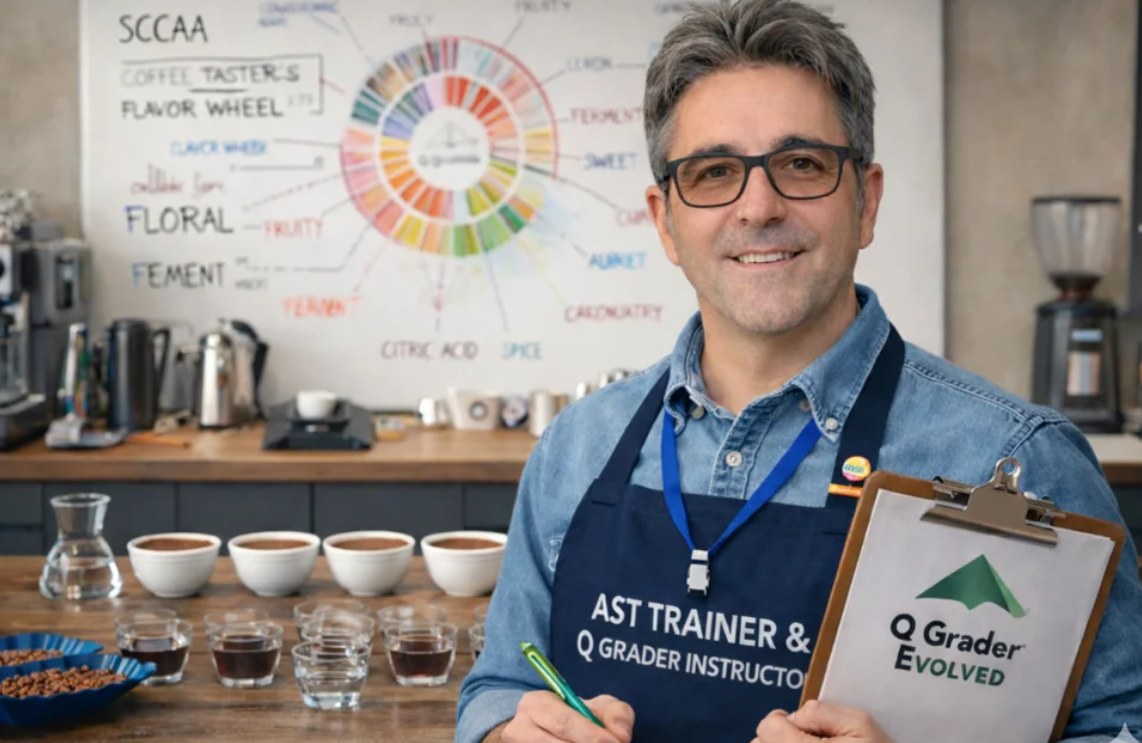
Armento Nicola Rosario
Q Grader Instructor | AST SCA Trainer | Coffee Consultant
Nicola is a Q Grader Evolved, Q Grader Instructor, Authorized SCA Trainer (AST), and Q Processing Level 1 professional. His expertise includes green coffee, roasting, sensory skills, and coffee quality assessment methods.
Trainer profile
Specialty Coffee Consulting
International Coffee Competitions
Green Coffee Evaluation
Roasting
Sensory Analysis
Coffee Quality Control
Café Management
Coffee Education
Professional standards
Why choose ama Caffe Academy?
Education is measured by the skills you gain and the experiences you have, as well as the certificates you earn.
Our academy combines practical experience, international teaching methods, and a community of professionals who share a passion for coffee.
We aim to develop professionals who raise standards in the Albanian coffee industry and beyond.
Intensive practice
SCA methodology
International trainers
Professional community
Gallery
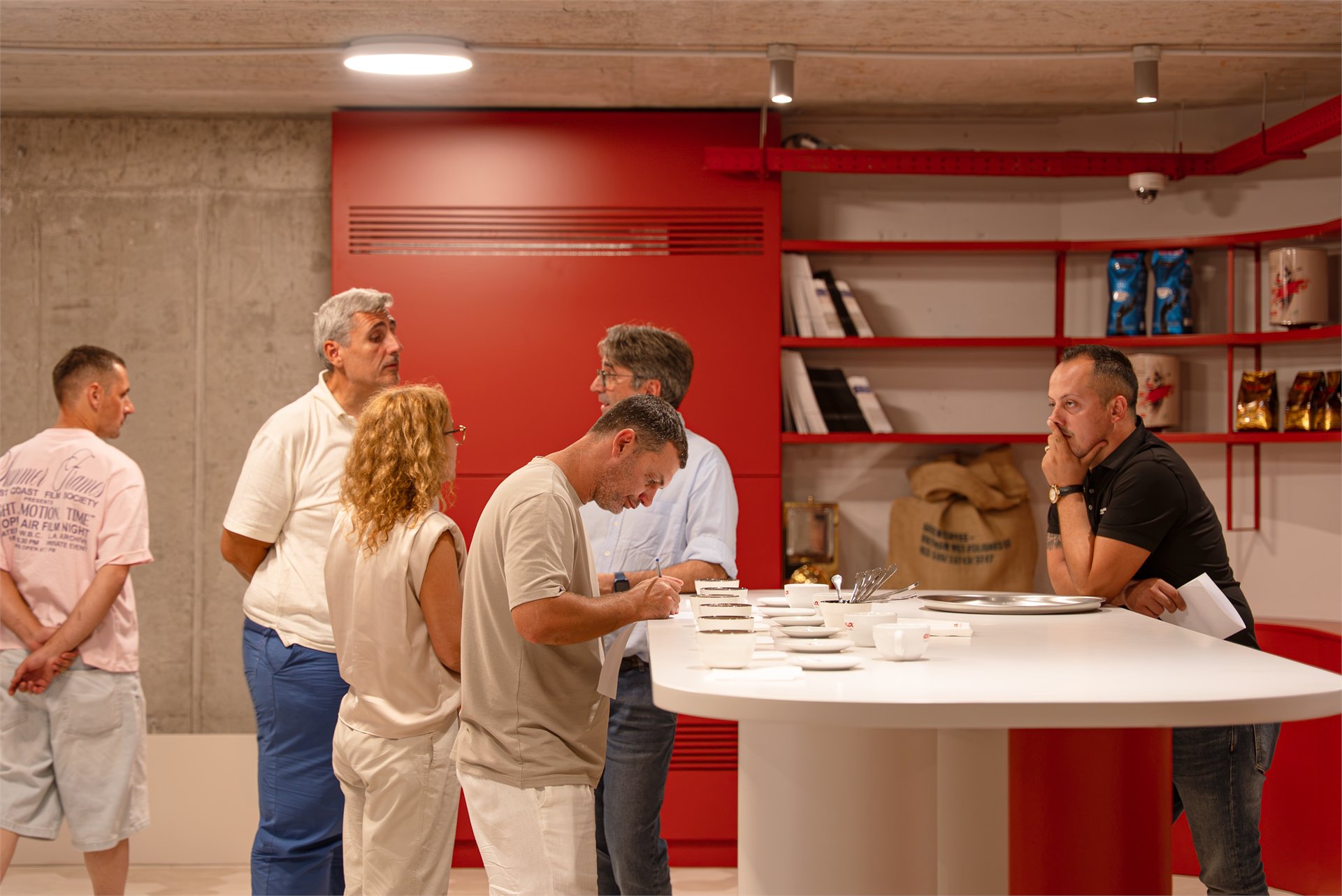
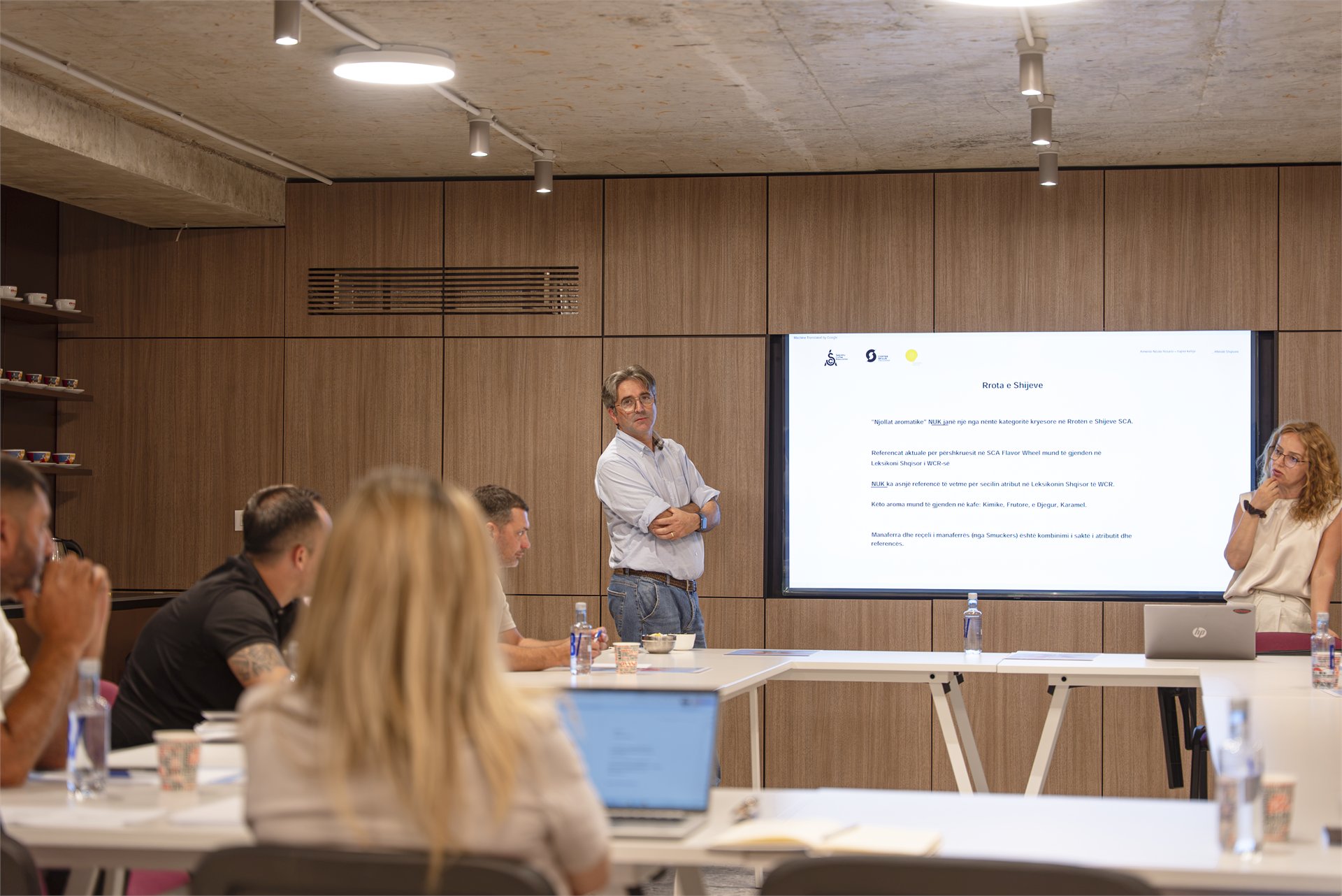
Moments from our first training.
Real photographs from the classroom, sensory lab, cupping table, and equipment area at ama Caffe Academy.
Coffee Skills Program
SCA Certification Programs
Specialty Coffee Association programs are internationally recognized, combining theoretical knowledge and practical skills for a professional career in coffee. Modules and levels are selected according to each participant's experience.
01 Introduction to Coffee Introduction to Coffee History · Arabica vs Robusta · Origins · Processing · Basic tasting View program
Objective
Give participants a foundational understanding of coffee, from origin and processing to roasting, sensory assessment, cupping, and preparation, including the factors that influence quality and flavor.
Course content
- Origin, geography, and the supply chain
- Botany: coffee species and varieties
- Harvesting and green coffee processing
- Specialty coffee standards and quality
- Roasting fundamentals, freshness, and storage
- Sensory physiology and flavor perception
- The influence of terroir, species, processing, and roasting
- Cupping protocols and assessment
- Brewing principles and extraction dynamics
- Water quality and equipment maintenance
Practical work
- Specialty coffee versus commercial coffee
- Arabica versus Robusta
- Washed versus natural processing
- Light roast versus dark roast
Certification
This course is part of the SCA Coffee Skills Program. The format and certification requirements are confirmed before enrollment.
02 Green Coffee Green Coffee Origins · Washed / Natural / Honey · Defects · Moisture & Water Activity · Storage View program
Objective
Understand the origins, processing, storage, and factors that determine green coffee quality before roasting.
Course content
- Origins and their characteristics
- Washed, natural, and honey processes
- Green coffee defects
- Moisture and water activity
- Storage and storage conditions
Practical work
Compare samples, identify defects, and assess how processing and storage affect quality.
Certification
The level, prerequisites, and SCA certification requirements are confirmed during enrollment.
03 Roasting Roasting Roasting process · Roast profiles · Aroma development · Defects · Quality control View program
Objective
Develop an understanding of the roasting process and the ability to build and assess profiles that preserve coffee quality and character.
Course content
- The roasting process and its stages
- Building roast profiles
- Aroma development
- Identifying roasting defects
- Quality Control
Practical work
Read profiles, compare roast levels, and assess the sensory impact of roasting in the cup.
Certification
The level, prerequisites, and SCA certification requirements are confirmed during enrollment.
04 Brewing Brewing Espresso · V60 · French Press · Batch Brew · Recipes · Extraction View program
Objective
Understand extraction science and develop repeatable recipes for different brewing methods.
Course content
- Espresso
- V60
- French Press
- Batch Brew
- Developing recipes
- Extraction principles
Practical work
Brew using different methods, adjust recipes, and compare the influence of variables in the cup.
Certification
The level, prerequisites, and SCA certification requirements are confirmed during enrollment.
05 Barista Skills Barista Skills Espresso · Milk texturing · Latte art · Workflow · Hygiene · Customer service View levels
Module 1 Introduction to Coffee & Barista Skills Foundation
Objective
Build the fundamental knowledge and skills needed for professional coffee preparation, correct equipment use, and workstation organization.
Course content
- Coffee beans, origins, and varieties
- Processing and roasting fundamentals
- Workstation organization
- The espresso machine and grinder
- Grinding, dosing, and tamping
- Espresso extraction fundamentals
- Basic milk techniques
- Hygiene and food safety
- Equipment cleaning and maintenance
Practical work
- Adjusting grind size
- Dosing and tamping
- Preparing a standard espresso
- The fundamentals of correct extraction
- Basic milk steaming
- Preparing a standard cappuccino
- Organizing and cleaning the workstation
Certification
Following successful completion of the online exam.
Module 2 Barista Skills Intermediate
Objective
Develop quality control, extraction optimization, milk techniques, and efficiency in barista work.
Course content
- Varieties, origins, and processing methods
- How origin and processing influence flavor
- Roasting, density, and degassing
- Workspace organization and workflow
- Professional equipment and accessories
- Grinder designs and burr types
- Dosing, distribution, and tamping
- Extraction parameters and recipes
- Sensory analysis of espresso
- Milk composition, quality, and handling
- SCA foam standards and latte art
- Espresso-based drinks
- Water quality and SCA standards
- Hygiene, safety, and maintenance
- Customer service and management fundamentals
Practical work
- Grinder calibration
- Dosing, distribution, and tamping
- Analyzing and adjusting extraction
- Calculating brew ratio
- Using a refractometer
- Creating and adapting recipes
- Advanced milk techniques
- SCA foam standards and latte art
- A range of espresso-based drinks
- Organizing an efficient workflow
- Equipment cleaning and maintenance
Certification
Recommended prerequisite: Barista Skills Foundation or Introduction to Coffee. Certification requires theoretical and practical exams, with a minimum written exam score of 70%.
Module 3 Barista Skills Professional
Objective
Develop advanced skills in coffee science and professional control of extraction, recipes, sensory analysis, milk, latte art, and workflow.
Course content
- Density, varieties, and cultivars
- Processing and its influence on the final product
- Decaffeination, packaging, storage, and freshness
- Space and production management
- Consistency in dosing and tamping
- Particle distribution and advanced tamping
- Advanced espresso machine operation
- Temperature and pressure during extraction
- Designing and optimizing recipes
- Developing coffee blends
- Professional extraction measurement
- Sensory analysis and tasting
- Organic acids and flavor profiles
- Milk composition and quality
- Foam quality and SCA standards
- Professional water analysis and filtration
- Cost of Goods
Practical work
- Controlling dosing and tamping
- Analyzing particle distribution
- Controlling extraction temperature
- Creating and optimizing recipes
- Professional extraction measurement
- Creating and evaluating coffee blends
- Analyzing flavor profiles
- Analyzing milk quality
- Foam meeting SCA standards
- Plant-based alternatives and free-pour latte art
- Measuring TDS, alkalinity, hardness, and pH
- Evaluating filtration systems
- Professional workflow and beverage production
Certification
Prerequisite: Barista Skills Intermediate. Barista Skills Foundation, Brewing Intermediate, and Sensory Foundation are recommended. Theoretical and practical exams are required, with a minimum written exam score of 80%.
06 Sensory Skills Sensory Skills & Cupping Aroma · Flavor wheel · Cupping · Sensory analysis · Quality assessment View levels
Module 1 Sensory Skills Foundation
Objective
Develop the ability to identify, describe, and assess the sensory characteristics of coffee, building a foundation for professional tasting.
Course content
- Introduction to sensory analysis and the role of the senses
- Basic tastes in coffee
- Aroma and aromatic profiles
- Flavor, body, and texture
- Acidity and sweetness
- The influence of roasting on flavor
- Positive and negative characteristics
- Coffee cupping fundamentals
- Basic tasting terminology
Practical work
- Identifying basic tastes
- Comparing key aromas
- Assessing body, acidity, and sweetness
- Identifying differences between coffees
- Using sensory terminology
- CVA form fundamentals
- Practical coffee cupping session
Certification
No prerequisite is required. Certification is awarded on completion of the course.
Module 2 Sensory Skills Intermediate
Objective
Develop sensory skills for professional assessment, the use of standardized methods, and the organization of professional cupping sessions.
Course content
- The four stages and purpose of sensory analysis
- Taste, aroma, and sensory physiology
- Psychology in sensory perception
- The five basic tastes and mouthfeel
- Positive and negative aromas
- The supply chain and flavor profiles
- Triangle testing and statistics
- Organizing a cupping session
- SCA terminology and scales
- Cupping forms and protocols
- Sensory programs and panels
- Selecting and calibrating panelists
- In/out, descriptive, and analytical tests
Practical work
- Comparing tastes and aromas
- SCA Flavor Wheel and WCR Sensory Lexicon
- Triangle Testing
- Organizing a cupping session
- Using cupping forms
- Sensory calibration
- Identifying and recalling aromas
Certification
Prerequisite: Sensory Foundation. Introduction to Coffee and Green Coffee Foundation are recommended. The theoretical and practical exams each require a minimum score of 70%.
Module 3 Sensory Skills Professional
Objective
Develop advanced skills in coffee analysis and the management of sensory programs and measurements according to industry standards.
Course content
- Professional applications of sensory analysis
- The perception chain, sensation, and perception
- How stimuli interact in perception
- Thresholds and sensitivity
- Bias, error, and reducing bias
- SCA Flavor Wheel and WCR Sensory Lexicon
- Gustatory attributes and intensity
- Assessing attribute quality
- Mouthfeel and its characteristics
- Positive and negative attributes
- Sensory Descriptive Profiling
- Analyzing and interpreting results
- SCA cupping protocol and calibration
- Managing sensory panels
- Panelist performance and calibration
- Shelf life and consumer testing
- Product development and sensory testing
Practical work
- Advanced sensory assessment
- Professional use of the Flavor Wheel and Lexicon
- Assessing positive and negative attributes
- Sensory Descriptive Profiling
- Interpreting sensory data
- Applying the SCA cupping protocol
- Interpreting cupping forms
- Professional cupping calibration
- Creating and calibrating a sensory panel
- A training program for panelists
- Shelf life tests and consumer testing
- A professional sensory testing plan
Certification
Prerequisite: Sensory Skills Intermediate. Green Coffee Intermediate and Roasting Intermediate are recommended. The theoretical and practical exams each require a minimum score of 80%.
Frequently asked questions
What to know before training.
Essential information about levels, booking, and training at ama Caffe Academy.
Do I need previous experience?
Not for introductory programs. For professional levels, our team assesses your experience and recommends a suitable course.
How long does a course last?
Duration varies by program and level. The full schedule is confirmed during booking.
Is certification included?
Certification depends on the selected program. Our team confirms the format, requirements, and certificate before enrollment.
What does the practical training include?
Courses combine demonstrations, sensory exercises, cupping, extraction control, and work with professional equipment.
How can I book a place?
Contact us by email, phone, or WhatsApp. Our team will share dates and availability.
Contact
Speak directly with the academy team.
Choose how you would like to ask about programs, dates, and booking.
Visit the academy
ama Coffee Experience · Tirana, Albania
Book training
Build your professional standards with ama Caffe Academy.
For baristas, cafe owners, roasters, distributors, and specialty coffee enthusiasts.
Apply nowApplication
Apply for training
Complete your details and the ama Caffe Academy team will contact you about programs, dates, and availability.